Ascorbic Acid
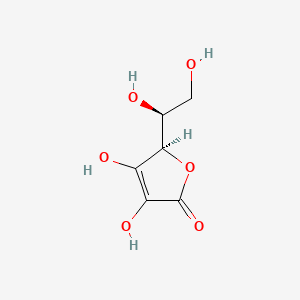
Formula: C₆H₈O₆ — Vitamin C, L-ascorbic acid
Molar mass: 176.12 g/mol
Appearance: White or pale yellow crystalline powder
Hazard: Not classified as hazardous
Summary
White or pale yellow crystalline powder with a slightly sour taste. A mild acid and a powerful reducing agent (antioxidant). Found in citrus fruits, bell peppers, and many other foods. Rapidly oxidized by air, especially in solution. Reduces iodine to iodide, decolorizing iodine solutions instantly. Related to sugars - the molecule is derived from glucose.
History
The disease scurvy - caused by vitamin C deficiency - killed more sailors than storms or battles throughout the age of exploration. Symptoms include bleeding gums, joint pain, and eventually death. The British Navy lost more men to scurvy than to combat during the Seven Years’ War.
Scottish naval surgeon James Lind conducted what is considered one of the first controlled clinical trials in 1747, showing that citrus fruits cured scurvy while other treatments did not. The Navy eventually began issuing lime juice to sailors in 1795, which earned British sailors the nickname “limeys.”
The chemical responsible wasn’t isolated until 1928, when Albert Szent-Györgyi extracted a reducing substance from adrenal glands and cabbage. He named it “hexuronic acid.” The structure was confirmed by Walter Norman Haworth in 1933, and the compound was renamed ascorbic acid (from anti-scurvy). Both men received Nobel Prizes. Industrial synthesis from glucose was developed almost immediately, making vitamin C the first vitamin produced industrially.
Experiments
Antioxidant Testing: Compare how well different vitamin C sources (fresh juice, bottled juice, tablet) prevent apple slices from browning. The ascorbic acid reduces the oxidizing enzymes, keeping fruit fresh. Demonstrates antioxidant activity and oxidation in food.
Iodine Reduction: Add ascorbic acid solution dropwise to iodine solution - it instantly decolorizes it by reducing I₂ to I⁻. The basis of the iodine clock experiment and vitamin C titration.
Invisible Ink: Write with ascorbic acid solution; it oxidizes to a brown color when heated, revealing the writing. Tends to give more vivid brown writing than citric acid.
Experiments using this chemical:
- Iodine Clock - Sudden color change reveals when vitamin C is depleted
- Invisible Ink - Heat-revealed writing
- The Many Colors of Iron - Reduce Fe³⁺ back to pale green Fe²⁺
How to get it
Ascorbic acid (vitamin C) is available everywhere:
- Pharmacy or health food store: vitamin C powder in supplement section. Look for pure L-ascorbic acid powder, not tablets (which contain binders and fillers that interfere with experiments).
- Baking supply: sold for preserving color in fruit preparations.
- Online: available in bulk (250 g, 1 kg) as a food-grade or supplement-grade powder — the most economical option for repeated experiments.
Note: vitamin C tablets can be used in a pinch — crush them — but the fillers (starch, cellulose) create turbidity. Pure powder is preferable.
Buy online:
Amazon: Ascorbic Acid (Vitamin C) Powder — Pure Food Grade, 1 lb affiliate
Safety
Very low hazard — vitamin C.
First aid: none needed for normal handling; rinse eyes with water if powder gets in them.
Incompatible with: Strong oxidisers (vitamin C rapidly destroyed — the intended reaction in antioxidant experiments); sodium bicarbonate in solution (CO₂ release); copper and iron ions (catalyse oxidative degradation)
Disposal: harmless — rinse down the drain.