Calcium Lactate Gluconate
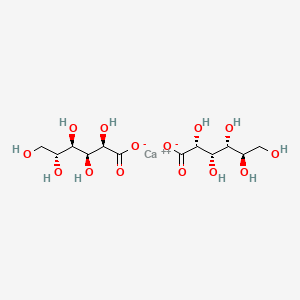
Formula: Ca₅(C₃H₅O₃)₆(C₆H₁₁O₇)₄ — Calcium lactate gluconate complex
Molar mass: mixed salt — varies g/mol
Appearance: White powder
Hazard: Not classified as hazardous
Summary
White powder, highly soluble in water with neutral taste. A complex salt combining calcium with both lactate and gluconate ions. Much more soluble than calcium lactate alone, making it ideal for reverse spherification where high calcium concentration is needed inside the sphere. Popular in molecular gastronomy. Used as a calcium supplement with excellent bioavailability.
History
Calcium lactate gluconate represents the cutting edge of food science meeting molecular gastronomy. The compound was developed to address the limitations of simpler calcium salts for culinary applications.
The challenge was this: reverse spherification (where the calcium is inside the liquid being spherified) requires high calcium concentrations, but calcium chloride tastes bitter and calcium lactate isn’t soluble enough. Food scientists discovered that combining lactate and gluconate anions with calcium created a salt with exceptional solubility and neutral flavor.
Chef Ferran Adrià and his team at elBulli pioneered the use of calcium lactate gluconate in the early 2000s. The compound enables spectacular culinary effects: liquid-centered spheres that burst in the mouth, edible cocktail “pearls,” and modernist reinterpretations of traditional dishes.
The pharmaceutical industry had already recognized calcium lactate gluconate’s superior bioavailability for supplements. The same properties that make it absorb well in the body make it dissolve easily in food applications.
Experiments
Reverse Spherification: The preferred calcium source for reverse spherification due to high solubility and neutral taste. Mix into fruit juices, dairy, or alcohol at 0.5-1% concentration, then drop into sodium alginate bath. Creates spheres with thin gel membrane and liquid center that don’t continue thickening over time.
Frozen Reverse Spherification: Freeze droplets of calcium lactate gluconate mixture, then drop frozen spheres into alginate bath. The slow thaw gives more uniform gel formation and perfect spheres. Demonstrates how temperature affects reaction rates.
Calcium Bioavailability: Compare dissolution and absorption characteristics of different calcium sources (carbonate, lactate, lactate gluconate). The gluconate combination increases solubility dramatically.
Experiments using this chemical:
- Food Chemistry: Reverse Spherification - Preferred for liquid-center spheres
Safety
Very low hazard — food-grade ingredient.
First aid: none needed for normal handling; rinse eyes with water if needed.
Incompatible with: Sodium alginate solutions (forms a gel — the intended reaction in spherification); strong oxidisers
Disposal: harmless — rinse down the drain.