Cobalt Chloride
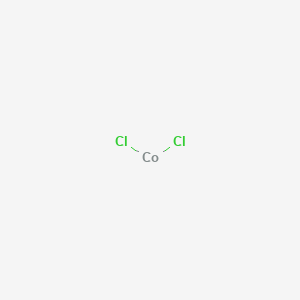
Formula: CoCl₂·6H₂O — Cobalt(II) chloride hexahydrate
Molar mass: 129.84 (anhydrous) g/mol
Appearance: Pink-red crystalline solid (blue when anhydrous)
Hazard: Toxic · Carcinogen · Reproductive toxin · Sensitiser · Environmental hazard
Summary
Pink-red crystalline solid when hydrated, turns blue when anhydrous. This dramatic color change with water content makes it an excellent humidity indicator. Forms beautiful red crystals. Used in humidity indicator cards, invisible ink, and as a catalyst. The cobalt ion forms octahedral complexes with distinctive colors depending on ligands.
History
Cobalt’s name comes from the German Kobold, a mischievous goblin or sprite. Medieval German silver miners cursed the “kobold ore” that looked promising but yielded no silver and produced toxic arsenic fumes when smelted. Swedish chemist Georg Brandt isolated cobalt metal in 1735, the first new metal discovered since antiquity.
The reversible color change of cobalt chloride fascinated early chemists. In 1852, Henry Roscoe demonstrated the hydration equilibrium at the British Association for the Advancement of Science, showing how the pink-to-blue transition indicates the presence of water molecules coordinated to the cobalt ion.
“Sympathetic ink” using cobalt chloride became popular in the 18th and 19th centuries. Messages written in dilute pink solution appear invisible when dry, then turn blue when heated. Spies and secret societies used this chemistry, making cobalt chloride a fixture in both espionage and children’s chemistry sets (though the latter use has declined due to toxicity concerns).
Experiments
Humidity Indicator: The pink hexahydrate turns blue when heated (drives off water). Blue anhydrous form absorbs moisture from air and turns pink again. Make humidity indicator paper by soaking filter paper in dilute solution and drying. Demonstrates hydration/dehydration and coordination chemistry.
Invisible Ink: Write with dilute cobalt chloride solution (pink, nearly invisible when dry). Heat gently to drive off water - blue writing appears! Cools and absorbs moisture to become invisible again. Demonstrates reversible hydration.
Sympathetic Ink: Mix with iron(III) chloride and potassium thiocyanate solutions to create inks that appear only when specific reagents are applied.
Experiments using this chemical:
- Crystal Growing - Pink-red color-changing crystals
- Chemical Garden - Pink/purple silicate growths
- Humidity Indicator - Color-changing paper
- Cobalt Invisible Ink - Reversible heat-activated ink
- Flame Tests - Silvery-white flame
Safety
Significant hazard — carcinogen and reproductive toxin; minimise handling.
First aid: wash skin thoroughly with soap and water; rinse eyes for 15 minutes. If swallowed, rinse the mouth and seek medical advice. Wash hands after every use.
Incompatible with: Strong oxidisers; alkalis and hydroxides (cobalt hydroxide precipitate); strong reducing agents
Disposal: do not pour down the drain — precipitate the cobalt with washing soda (sodium carbonate), collect the solid, and take it to hazardous-waste collection.