Zinc Sulfate
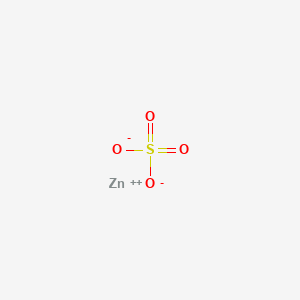
Formula: ZnSO₄·H₂O — Zinc(II) sulfate monohydrate, white vitriol
Molar mass: 287.56 (heptahydrate) g/mol
Appearance: White crystalline powder
Hazard: Harmful · Environmental hazard
Summary
White crystalline powder, very soluble in water. Provides zinc ions for electrochemistry and precipitation reactions. Used as a dietary supplement, in agriculture, and for making other zinc compounds. Forms white precipitates with hydroxides and carbonates. Related to other zinc salts; can be used to electroplate zinc onto other metals.
History
“White vitriol” was the alchemical name for zinc sulfate, distinguishing it from blue vitriol (copper sulfate) and green vitriol (iron sulfate). The compound was known to alchemists, though zinc metal itself wasn’t isolated until 1746 when Andreas Marggraf developed a practical extraction process.
Zinc plating (galvanizing) transformed industry. In 1742, French chemist Paul Jacques Malouin described coating iron with molten zinc to prevent rust. The term “galvanizing” came from Luigi Galvani’s electrical experiments - zinc became associated with electrochemistry. Today, billions of dollars worth of steel are galvanized annually, protected by a thin layer of zinc from the corrosive atmosphere.
The zinc-copper electrochemical cell (Daniell1 cell) was invented in 1836 and provided the first reliable source of steady electrical current. Understanding this cell’s chemistry - zinc dissolving while copper plates out - was crucial to developing the theory of electrochemistry.
Experiments
Zinc Electroplating: Use as electrolyte to zinc-plate small objects (galvanizing). Connect zinc electrodes to a battery with the object as cathode. Demonstrates electrochemistry and corrosion protection - galvanized metal resists rust.
Precipitation Reactions: Add sodium hydroxide to form white zinc hydroxide precipitate - but add more and it redissolves (amphoteric behavior)! Add sodium carbonate for insoluble zinc carbonate. Demonstrates selective precipitation.
Zinc-Copper Cell: Create a simple battery with zinc and copper electrodes in zinc sulfate and copper sulfate solutions (separated by a salt bridge). Measure voltage and demonstrate electrochemical cells.
Experiments using this chemical:
- Crystal Growing - White prismatic crystals
- Chemical Garden - White silicate growths
- Electroplating - Zinc galvanizing
- Metal Ions and Plant Pigments - Metal-pigment color changes
Safety
Moderate hazard — harmful; very toxic to aquatic life.
First aid: rinse skin and eyes with water; if swallowed, rinse the mouth, drink water, and seek medical advice.
Incompatible with: Strong bases (zinc hydroxide precipitation); reactive metals; strong oxidisers; sodium and potassium carbonate (zinc carbonate precipitation)
Disposal: very toxic to aquatic life — precipitate the zinc with washing soda, collect the solid for hazardous-waste, then flush the clear liquid. Do not pour down the drain.
Footnotes
John Frederic Daniell — British chemist (1790–1845) who invented the Daniell cell, the first reliable battery, in 1836.↩︎